
Agricultural Enterprises in Hamptons, NY
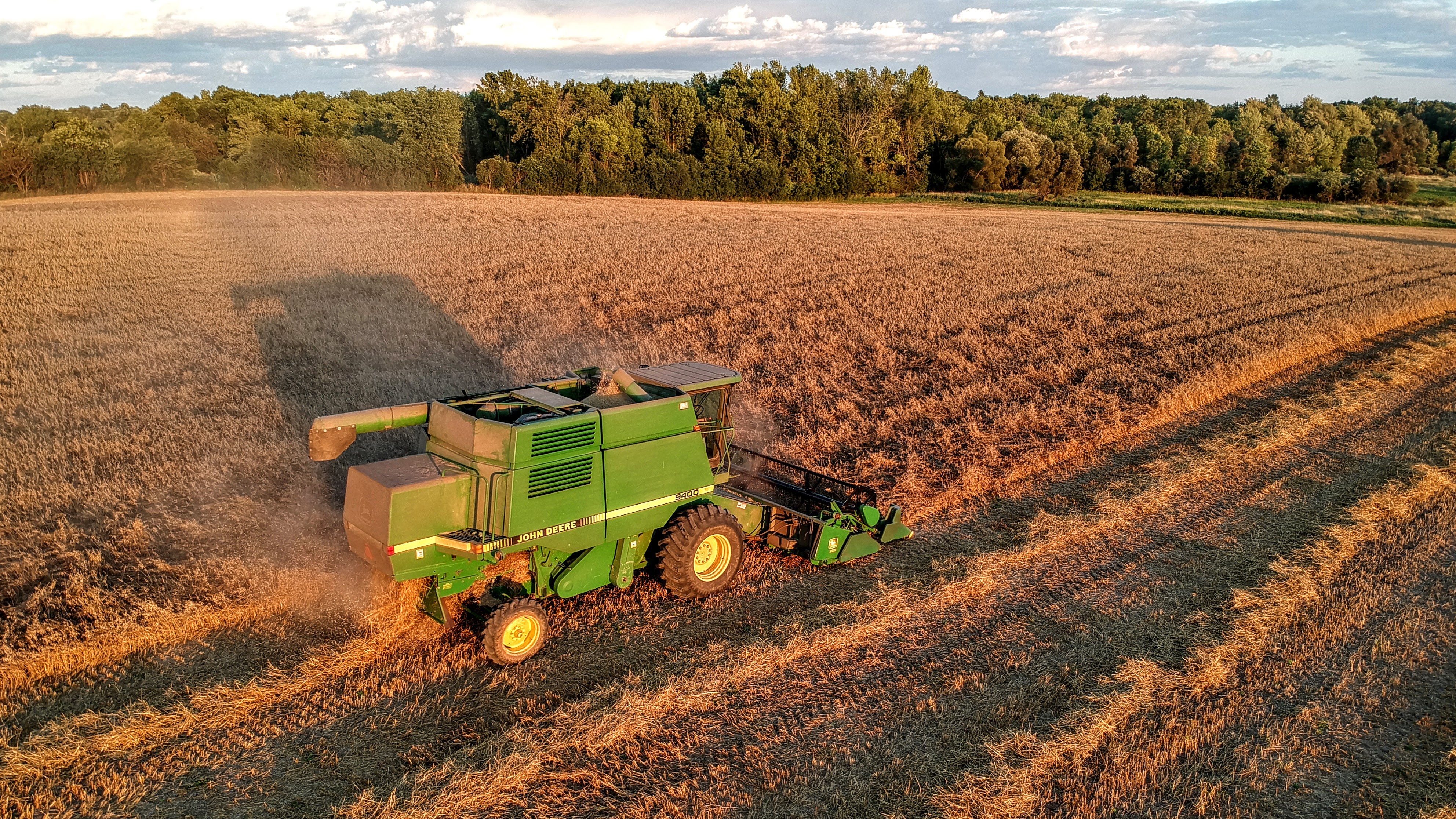
Agriculture on the Hamptons East End occupies a unique cultural and economic position that is unlike any other farming region in the country. The Sagaponack and Bridgehampton farmland corridor — some of the most expensive agricultural land in the United States by acreage — is simultaneously a productive farming district and a development land bank whose value is driven as much by estate-market scarcity as by soil quality. A Sagaponack farmland parcel that sold for $150,000 per acre two decades ago may now trade at $1 million per acre or more, not because the corn yield has increased, but because the adjacent estate-section properties sell for $10 million to $40 million and developable land on the South Fork is exhausted.
The Community Preservation Fund has permanently removed hundreds of acres from development consideration by purchasing development rights on farmland through the CPF 2% transfer tax mechanism. This preservation activity, while reducing the supply of developable land, has further reinforced the value of the remaining agricultural parcels that retain development rights.
Agricultural enterprises on the East End — vineyards on the North Fork and increasingly on the South Fork, equestrian facilities in Bridgehampton and Water Mill, specialty crop and nursery operations, lavender farms serving the agri-tourism market — require financing that understands the land's dual nature as productive agricultural asset and high-value real estate collateral. Hamptons Hard Money Lenders provides agricultural property financing calibrated for this unique context.
Financing Solutions
Our agricultural financing program covers land acquisition, refinance, equity access, and improvement financing for East End farm properties. Land acquisition loans fund the purchase of farmland, vineyard sites, and equestrian facilities at transaction speed — we close in 14 to 21 days, which is incompatible with competitive land acquisitions where sellers require a 30-day close.
Equity loans against existing agricultural land provide capital for farm improvements, vineyard planting costs, stable and arena construction, or business capitalization. We evaluate agricultural land equity based on current market value, which for Sagaponack and Bridgehampton farmland with development rights retained reflects the estate-market premium that makes this land extraordinary collateral.
For agricultural properties where development rights have been sold to the CPF or a land trust, we evaluate the retained agricultural value as the loan basis. Development rights sold to preservation programs reduce the property's value as development land but the agricultural use value remains, and for some parcels the agricultural use value alone supports meaningful loan amounts.
Common Challenges
Agricultural property owners on the Hamptons East End choose hard money financing when the specific need conflicts with conventional agricultural lender requirements. Farm Credit System lenders and USDA loan programs are designed for Midwestern commodity agriculture — they are not calibrated for $1 million-per-acre Sagaponack farmland or for a Bridgehampton equestrian facility whose primary income comes from boarding fees from the estate-section equestrian community.
Hard money bridge loans allow agricultural property owners to capitalize on specific opportunities — acquiring an adjacent parcel to expand a vineyard, bridging a farm purchase while agricultural business financing is being arranged, or accessing equity from existing farmland to fund capital improvements — without waiting for the slower timeline of agricultural credit programs that do not understand the East End market context.
How We Help
The Sagaponack and Bridgehampton farmland corridor operates at a value premium that defies conventional agricultural real estate economics. Prospective buyers for these parcels include traditional farmers extending their operations, vineyard investors establishing South Fork brands, estate buyers seeking the rural character and privacy that working farmland provides, and investors land-banking development-rights-retained parcels against a future where pressure on the remaining supply intensifies further.
Equestrian facilities in Bridgehampton and Water Mill serve both the working equestrian community and the estate-section social fabric — the Bridgehampton Polo Club and the Hunt-adjacent culture that has long characterized the inland Hamptons create demand for boarding, training, and event facilities that justifies premium per-acre pricing for equestrian-improved agricultural land.
The North Fork wine country in Southold is a distinct market where vineyard land values reflect both agricultural use and the growing reputation of Long Island as a premium wine region. We finance North Fork vineyard acquisitions and improvements within our agricultural lending program.
Hamptons Market Focus
We finance agricultural properties throughout the Hamptons East End: Sagaponack farmland corridor, Bridgehampton horse country, Water Mill agricultural areas, Wainscott, East Hampton Town agricultural zones, Sag Harbor area farms, Amagansett agricultural parcels, and North Fork vineyard and farm properties in Southold, Mattituck, Cutchogue, and Peconic.
Frequently Asked Questions
How do you value Sagaponack or Bridgehampton farmland for loan purposes?
We evaluate East End farmland using recent comparable sales of similarly situated agricultural parcels in the same hamlet or neighborhood. For Sagaponack and Bridgehampton parcels where estate-market adjacency drives pricing premium, we reference both agricultural land sales and the implied land value from adjacent estate-section transactions. Our appraisers are familiar with the dual-market value dynamics of East End farmland and do not apply standard agricultural land valuation methods that would dramatically understate the collateral value of these properties.
Can you finance a Hamptons vineyard acquisition or improvement?
Yes. We finance vineyard land acquisitions, vineyard planting projects, and winery facility improvements on the South Fork and North Fork. We evaluate vineyard properties based on land value plus agricultural improvements (trellis systems, irrigation, equipment storage) and, where applicable, winery building value. We review the vineyard business plan and existing sales data for operating vineyards. For land acquisitions where vineyard planting is planned, we evaluate the land value and the projected agricultural use value upon vineyard establishment.
Does the CPF transfer tax affect agricultural land transactions?
Yes. The 2% CPF transfer tax applies to agricultural land sales above the applicable threshold in Southampton and East Hampton Towns. For a $5 million Sagaponack farmland parcel, the CPF tax can add $100,000 or more to the buyer's closing costs. We factor CPF into the total acquisition cost during underwriting and confirm that borrowers have adequate closing liquidity after accounting for this line item. The CPF also directly affects the market for agricultural development rights — parcels where CPF has purchased development rights trade on agricultural-only value, which we evaluate separately from full-development-rights parcels.
Can you finance an equestrian facility in Bridgehampton or Water Mill?
Yes. Equestrian facilities including boarding stables, training arenas, and competition facilities are within our agricultural financing program. We evaluate equestrian facilities based on the real estate value (land plus improvements), current income from boarding and training fees, and the market for equestrian real estate in the specific Hamptons submarket. Bridgehampton and Water Mill equestrian facilities benefit from proximity to the Bridgehampton Polo Club and the broader equestrian culture of the inland Hamptons.
How do agricultural zoning protections affect a farm property loan?
Agricultural zoning designations in Southampton and East Hampton Towns limit development uses and density. Parcels zoned Agricultural Conservation (AC) or subject to Agricultural District protections may be restricted in their non-agricultural uses. We evaluate these restrictions during underwriting and incorporate them into the property value assessment. Agricultural zoning protections generally support rather than reduce property values in the Hamptons by limiting competitive supply and preserving the rural character that buyers seek.
Ready to Apply?
Get started with financing tailored for Agricultural Enterprises. Fast approvals and competitive rates.
Apply Now