
Multifamily Apartment Loans in Hamptons, NY
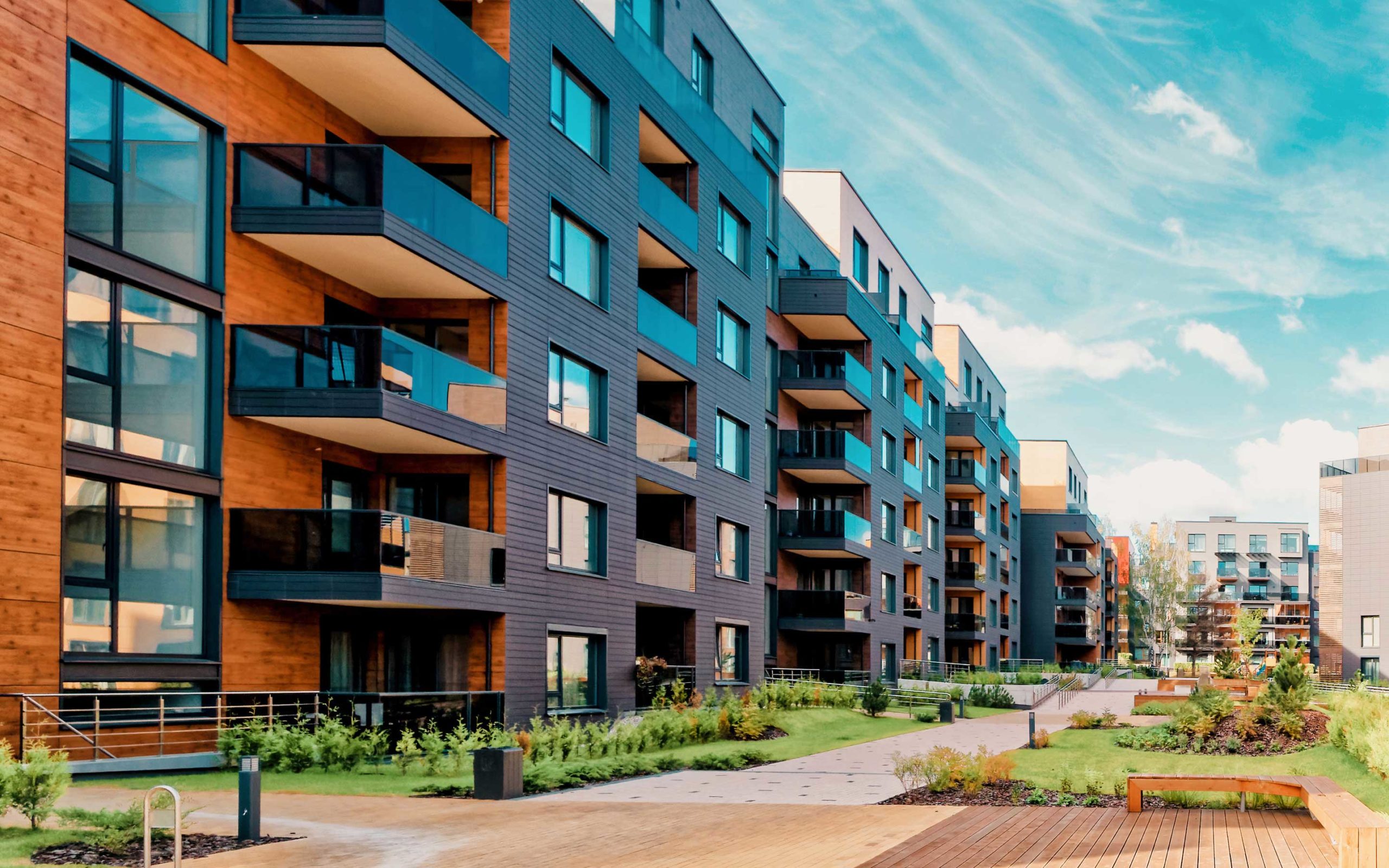
The Hamptons rental housing market is a study in structural undersupply. Zoning restrictions across Southampton and East Hampton Towns severely limit the development of new multifamily housing. Historic village centers in Sag Harbor and East Hampton Village are fully built out. The result is a rental market where a two-bedroom apartment walking distance to Sag Harbor's Main Street rents for $3,500 to $5,000 per month annually, and the same unit's summer seasonal rate can reach $12,000 to $18,000 per month. Multifamily property ownership in the Hamptons is a rare opportunity with essentially no risk of oversupply.
Hamptons Hard Money Lenders provides multifamily apartment loans that move at investment-market speed rather than conventional mortgage pace. We close in 14 to 21 days for most multifamily acquisitions, fund value-add renovation projects through milestone draw schedules, and accommodate the complex ownership structures — LLCs, family trusts, and co-ownership arrangements among NYC investor groups — that define how Hamptons multifamily assets actually trade.
We finance duplexes, triplexes, fourplexes, and small apartment buildings up to 20 units. We also finance residential-scale multifamily conversions — a large single-family house subdivided into multiple legal rental units under Suffolk County Health Department approval. We do not require stabilized occupancy or 12 months of DSCR-compliant income to make a lending decision; we evaluate the property's income potential and the market context for its specific location.
Common Applications
Workforce housing acquisition is the most durable multifamily investment in the Hamptons. Teachers, healthcare workers, firefighters, restaurant staff, construction contractors, and the full ecosystem of service professionals who support the luxury economy require year-round rental housing. These tenants represent stable, multi-year tenancies in a market with essentially zero comparable alternatives. A duplex in Southampton Village serving two year-round tenants is a different risk profile than a seasonal vacation rental — lower yield but steadier cash flow and minimal carrying-cost risk during off-season months.
Value-add multifamily renovation follows a clear playbook: acquire an underperforming property where units have not been updated in 10 to 20 years, renovate to contemporary standards (modern kitchens, updated baths, fresh flooring, high-efficiency HVAC), and re-lease at market rates that can be 40% to 80% above in-place rents. Our multifamily loans fund both acquisition and renovation through a combined loan structure, releasing construction draws as units are renovated and re-leased.
Seasonal-to-annual conversion is a specific Hamptons multifamily strategy. Some older multifamily properties were historically used exclusively for summer rentals. Converting these to year-round tenancies — even at lower individual-unit rents — often produces higher total annual NOI with more predictable cash flow. This conversion may require Suffolk County Health Department review of water and septic capacity, and we budget for that approval process in our loan structuring.
Small apartment building acquisition for portfolio investors represents another strong application. Investors based in NYC who have accumulated capital and seek Hamptons-adjacent passive income are a growing buyer class. An 8-unit apartment building in Hampton Bays or Westhampton Beach, acquired for $2 million to $4 million, cash-flowing at stabilized occupancy, and appreciating alongside the broader Hamptons market is an asset that fits cleanly into a family office or high-net-worth individual's portfolio. We finance these acquisitions efficiently and without the documentation burden that a traditional lender would impose.
Mixed-income multifamily projects that include some Affordable Housing units in exchange for density bonuses under Southampton or East Hampton Town zoning are emerging as a financing opportunity. We evaluate these projects case-by-case, but we do not categorically exclude affordable-housing components from our lending program.
Common Challenges
financing in the Hamptons faces several structural hurdles. First, seasonal income: a 6-unit property in Montauk where all units are summer vacation rentals produces enormous income from June through September and minimal income during the winter. Traditional multifamily underwriting that relies on monthly income averaging produces a distorted picture of this property's actual investment value. We look at annual income, seasonal patterns, and the borrower's occupancy management strategy.
Second, septic and water capacity: The Suffolk County Health Department regulates multifamily residential uses based on bedroom count and wastewater treatment capacity. A property with a 4-bedroom-equivalent septic system cannot legally add a fifth bedroom without Health Department approval and possibly a system upgrade. Any multifamily renovation that increases bedroom count anywhere in the building triggers this review. We build septic compliance costs and approval timelines into renovation loan budgets.
Third, rental licensing: Southampton and East Hampton Towns require short-term rental permits for properties rented on a nightly or weekly basis. These permits have become increasingly regulated, with limits on the number of permits issued per neighborhood or zone. A multifamily property with units intended for short-term rental must have valid permits for each unit, and the investor must budget for permit fees, required home inspections, and potential limitations on rental frequency.
Fourth, Trustees of the Freeholders authority: in communities with direct beach access or waterfront components, the Trustees have jurisdiction over certain land areas and uses. Multifamily properties adjacent to Trustees-managed lands may face restrictions on tenant access, parking, or outdoor use that affect rental income potential. We factor this into our underwriting when relevant.
Our Approach
We evaluate multifamily loans based on current and stabilized income, location quality, and the borrower's investment plan. For value-add projects, we underwrite to the post-renovation income projection and confirm it against comparable renovated rents in the same neighborhood. We do not require 12 months of seasoned income from a recently acquired or previously under-managed property.
Loan amounts from $250,000 to $10 million for 2-to-20-unit multifamily properties. LTV up to 75% for stabilized assets. For value-add projects, we lend up to 75% of the after-improvement value covering acquisition plus renovation costs. Draw schedules for renovation projects release funds by unit or by building-wide milestone.
Terms run 12 to 36 months with extension options. Interest-only payments during renovation and lease-up phases. We close in 14 to 21 days. Entity ownership through LLCs, trusts, and co-ownership agreements is accommodated without additional processing friction.
Our team understands Hamptons rent markets by submarket: Hampton Bays workforce housing rents differ from Sag Harbor village rents differ from Montauk seasonal rents. We apply the right comparable set to each property.
Hamptons Market Expertise
Our multifamily loan program covers the full Hamptons rental housing geography: Southampton Village and Southampton Town, East Hampton Village, Sag Harbor, Bridgehampton, Water Mill, Amagansett, Montauk, Wainscott, North Sea, Noyac, Hampton Bays, Westhampton Beach, Quogue, Remsenburg, Shelter Island, and the North Fork communities of Southold and Greenport.
Frequently Asked Questions
How do you underwrite multifamily properties with predominantly seasonal rental income?
We analyze trailing 12-month gross rental receipts divided by the total number of units and apply a market vacancy factor appropriate to the specific Hamptons submarket. For a Montauk property where all 6 units are summer-only rentals, we calculate the annual yield on total seasonal rental revenue rather than applying a monthly income average. We also evaluate the borrower's plan to maximize occupancy and whether year-round leasing of some units would improve overall yield.
Can you fund a multifamily acquisition where units are below market rent?
Yes. Below-market rents on Hamptons multifamily properties are typically a value-add opportunity, not a financing obstacle. We underwrite to current rents for debt-service coverage purposes and also evaluate the projected market rent upon lease-up. If the borrower's plan involves renovation and re-leasing, we fund that renovation through our combined acquisition-and-construction multifamily loan program.
What Suffolk County Health Department requirements affect Hamptons multifamily renovation?
Any renovation that increases the total bedroom count in a multifamily building requires a Suffolk County Health Department review of wastewater treatment capacity. The property's existing septic system must be able to accommodate the additional bedroom equivalents, or a system upgrade — either a new conventional septic system or a nitrogen-reducing innovative/alternative system — must be approved and installed. Costs range from $20,000 to $80,000 per installation. We include this in renovation budgets and time our loan terms to accommodate the Health Department approval cycle.
Do Hamptons short-term rental permit restrictions affect multifamily loan eligibility?
They can affect income projections, which we evaluate during underwriting. Southampton Town limits STR permits to properties that meet certain owner-occupancy or permit-quantity thresholds. East Hampton Town has its own STR regulatory framework. We review the property's existing permits, the regulatory framework applicable to its location, and the borrower's rental strategy. Properties with existing valid STR permits for each unit carry no additional underwriting risk. Properties without permits for intended STR use require a credible permitting plan.
Can a NYC-based investor buy a Hamptons multifamily property through a Delaware LLC?
Yes, and this is extremely common in the Hamptons market. Most investment-grade multifamily acquisitions are made through LLCs for liability protection and tax efficiency. We finance LLC acquisitions and require standard entity documentation: articles of organization, operating agreement, EIN, and an operating agreement that authorizes the signing member to execute the loan documents. Delaware, New York, and other state LLCs are all acceptable.
Ready to Apply?
Get started with your multifamily apartment loans application today. Fast approvals and competitive rates.
Apply Now